
"natural environment"
7000 article(s) found

Agropecuaria Farallones Coffee Manor
Beautiful hilltop AF Manor in the southwest of Medellin, Antioquia, Colombia, there is a city called Hughton Boliwal, which has a unique greenhouse-like natural environment, which allows people here to inherit and share the traditional harvest brought by this environment for generations. Mountain。 Benedict's Florence is one of the best to grow

Coffee beans must be stored in a dry environment to explain coffee bean preservation skills (2)
Two methods of coffee bean production after harvest to the market before shipment to remove the skin, pulp, skin and silver. There are two methods: drying (also known as natural method or non-washing) and washing. Dry type: The method is relatively simple. First of all, the fruit will be just picked widely spread in the sun for a week or two, until the fruit issued a cracking sound so far, natural drying. After that, with

Ethiopian Coffee processing in Ethiopian Coffee producing areas
A large amount of coffee production (95%) is done by small shareholders, with an average yield of 561 kg per hectare. For centuries, minority holders of Ethiopian coffee farms have been producing a variety of high-quality types of coffee. The secret of producing high-quality coffee is that coffee growers have developed environmental conditions through generations of repeated learning about the coffee planting process.
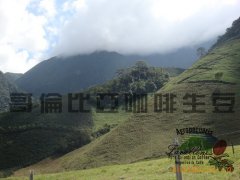
Agropeciaria Farallones Coffee Estate
AF Estate at the foot of a beautiful hill In the mountains southwest of Medellin, Antioquia, Colombia, there is a city called Hutton Bolivar, which has a unique greenhouse-like natural environment, which allows people here to inherit and share the traditional harvest brought by this environment for generations. Shan. Benito's Florence is the one who grows the best,

Introduction of Nicaraguan coffee with a unique environment and fertile volcanic soil
Madriz is an ecological coffee with a very hard shell. In the pure natural planting environment, it uses more complex operations to maintain the delicate aroma and taste of the coffee; it is produced in northern Nicaragua between Matagalpa and Jinotega, with an average annual rainfall of 1500-1700mm and a temperature of 20-29 degrees Celsius. All use manual selection of coffee.

Introduction to the planting environment of Rwanda boutique coffee bean flavor manor with excellent evenness
Rwanda has tin, tungsten, niobium, tantalum, Beryl, gold and so on. The storage of tin is about 100000 tons. Peat reserves are estimated at 30 million tons. Lake Kivu has natural gas reserves of about 60 billion cubic meters. The Niagabango tungsten deposit is the largest tungsten mine in Africa. The forest covers an area of about 620000 hectares, accounting for 29 per cent of the national area, and is one of the important natural resources of Rwanda. [3] Plant Luwang

Coffee, culture and environment are inseparable.
Coffee is not only one of the most popular drinks in the world, but also one of the most traded products in the world. I've been writing a book about coffee recently, but I've been hesitant: I don't know how many coffee consumers really want to know about the things behind coffee. Many of us like to savor the taste and feeling of a cup of hot Scotch coffee, not to mention the taste.

Introduction of Coffee Flavor and taste varieties in Hasunda Coffee Garden
The coffee beans produced in Ecuador's Galapagos Islands are organic coffee beans, thanks to the unique ecological environment such as volcanic soil and microclimate, coupled with the fact that they do not use any chemical fertilizers or pesticides, they are recognized as natural green boutique coffee. this naturally grown coffee has a mild taste with a hint of flowers and fruit and caramel. It is understood that the Galapagos Islands are far from Eritrea.

Coca Cauca Fine Coffee from Columbia Coffee Manor
AF attaches great importance to protecting its natural environment, which is the wealth given to them by nature. The most important thing in their work is to always keep clean water on waterways instead of using dangerous chemicals, and to afforest with native plants to maintain the stability of the land and the animals and plants in the area. In addition, they have always adhered to an important commitment to eliminate the production of pollutant

Coffee Culture Coffee, culture and environment are inseparable
Coffee is one of the world's most popular drinks and one of the world's most traded commodities. I'm currently writing a book about coffee, but I've been hesitant: I don't know how many coffee consumers really want to know all this stuff about coffee. Many of us like to savor the taste and feel of a cup of piping hot Scotch coffee, let alone taste it.
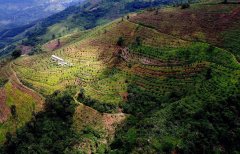
How to plant a coffee tree? The natural conditions of coffee cultivation and the skills of growing coffee.
How to grow coffee well? First of all, geographically, the golden planting belt of coffee is centered on the equator, covering the appropriate temperature from 25 north latitude to 25 south latitude. Coffee likes a warm environment, hardy but not hardy, and the most suitable planting temperature is between 16 degrees Celsius and 21 degrees Celsius. Good land environment, fertile soil. The most suitable soil for growing coffee is in the plains and mountains.

The taste is rich and high quality, and the flavor and taste characteristics of coffee in coffee manor are introduced.
Costa Rica accounts for only 0.03% of the world's land area, but with nearly 4% of the world's species, Costa Rica is one of the countries with the richest biological species in the world. 26% of the land area is a national park or nature reserve, including 11 wetlands, 2 biological reserves and 3 World Natural Heritage sites. The national forest coverage rate is 52%. Natural resources include iron, manganese, mercury, bauxite,
Coffee bean plantation Agropecuaria Farallones Coffee Manor
Beautiful hilltop AF Manor in the southwest of Medellin, Antioquia, Colombia, there is a city called Hughton Boliwal, which has a unique greenhouse-like natural environment, which allows people here to inherit and share the traditional harvest brought by this environment for generations. Mountain。 Benedict's Florence is one of the best to grow
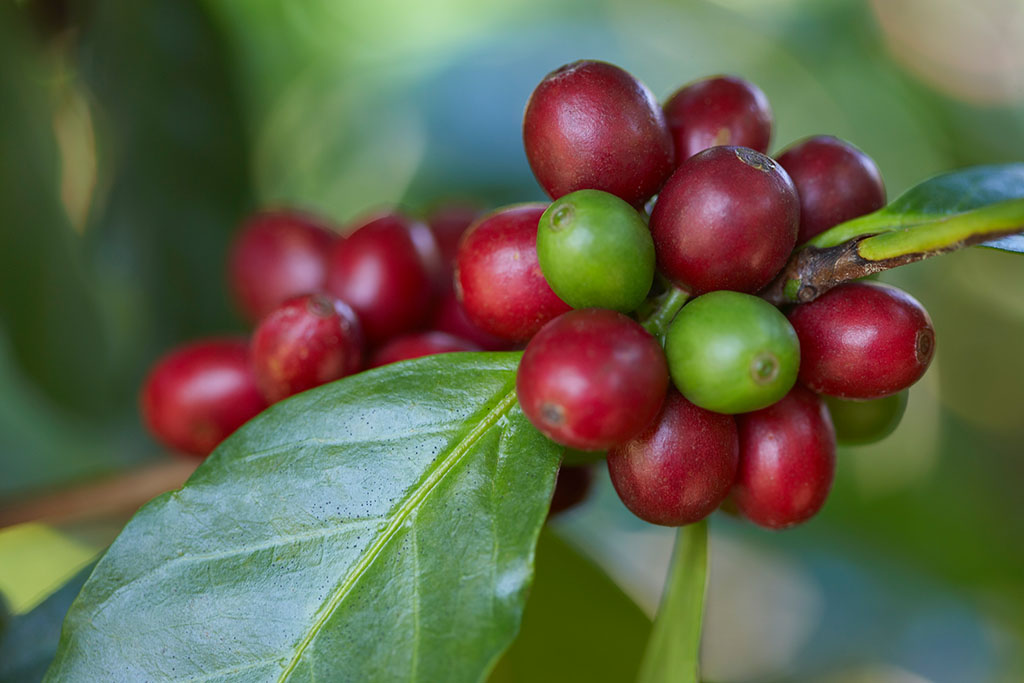
Hafursa Cooperative Yega Xuefei African Fine Coffee native coffee species of Ethiopia
The coffee garden with an elevation of more than 1500 meters has formed a unique coffee style after more than a thousand years of evolution and adaptation. Ethiopian coffee grown in the natural wild environment is called wilderness coffee, which retains the most primitive and natural taste of coffee beans and has the most direct and full expression of the local environment. Hafursa cooperative (1750-2300 meters) belongs to the producing area: Gedeo- Yega
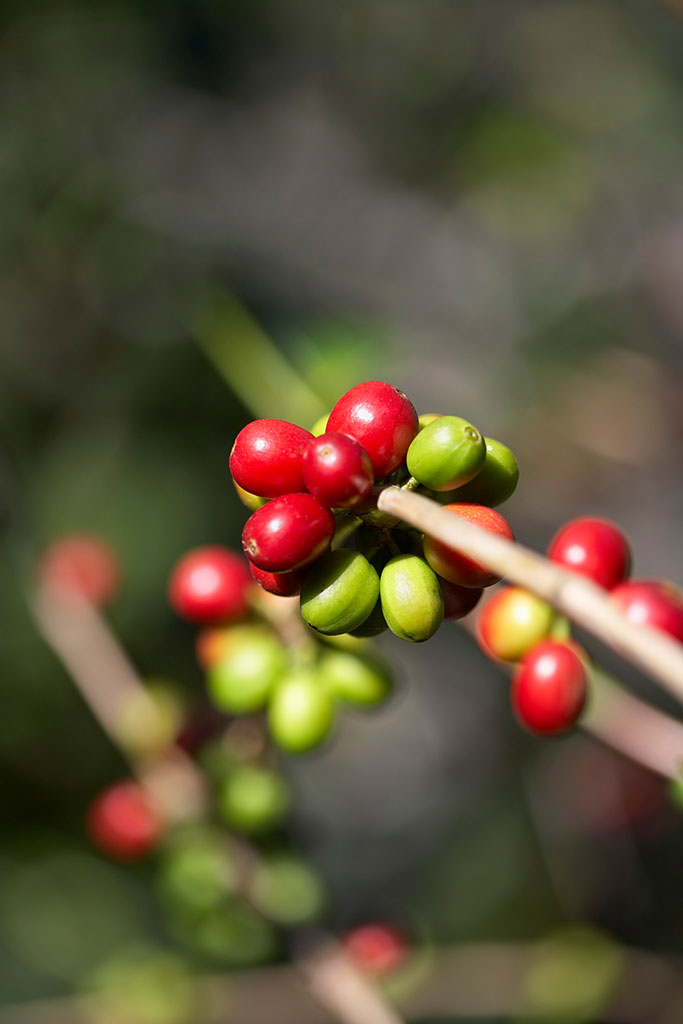
Resa Cooperative Addis Katema Cooperative Vina Gor Ethiopian Coffee
The coffee garden with an elevation of more than 1500 meters has formed a unique coffee style after more than a thousand years of evolution and adaptation. Ethiopian coffee grown in the natural wild environment is called wilderness coffee, which retains the most primitive and natural taste of coffee beans and has the most direct and full expression of the local environment. Production area of Resa Cooperative (1000-1400 m): Gedeo-Wenago Wei

Description of flavor and taste of growing environment in Colombia, the third largest coffee producing region in the world
Description of the growing environment and flavor in Colombia, the third largest coffee producing region in the world, the suitable climate in Colombia provides a real natural pasture for coffee. Coffee trees in Colombia are mainly cultivated in the Andes, on steep slopes about 1300 meters above sea level, where the annual temperature is about 18 degrees Celsius, annual rainfall is 2000 to 3000 millimeters, and latitude 1-11-15.

Hawaiian Coffee Grinding treatment Price Coffee growing Environment Coffee taste introduction
Although Hawaii is often affected by tornadoes, the climatic conditions are very suitable for the coffee industry. There is plenty of rain and sunshine, and there is no worry of frost. In addition, there is a strange natural phenomenon called free shade. On most days, around 2 o'clock in the afternoon, white clouds appear in the sky, providing the necessary shade for the coffee tree

What is organic coffee? Is there any advantage in drinking organic coffee? Flavor characteristics of Organic Coffee
Professional coffee knowledge exchange more coffee bean information please pay attention to the coffee workshop (Wechat official account cafe_style) Organic coffee in the cultivation does not use any insecticides and other chemicals to treat pests or cultivation problems, but the use of natural methods, such as the use of natural composting, hedgerow, pruning and other methods to maintain the growth of coffee trees, in terms of pest control

Fine coffee culture, history, coffee, culture and environment are inseparable.
Coffee is not only one of the most popular drinks in the world, but also one of the most traded products in the world. I've been writing a book about coffee recently, but I've been hesitant: I don't know how many coffee consumers really want to know about the things behind coffee. Many of us like to savor the taste and feeling of a cup of hot Scotch coffee, not to mention the taste.

Fresh and bright taste Ethiopian coffee plantation flavor Taste characteristics Variety introduction
Ethiopia is the birthplace of the famous Arabica coffee beans, and people have maintained the tradition of harvesting wild coffee beans. The coffee garden with an altitude of more than 1500 meters has formed a unique coffee terroir after more than a thousand years of evolution and adaptation. Ethiopian coffee grown in the natural wild environment is called wilderness coffee and retains the most primitive coffee beans.